Soft Autumn vs True Autumn
- Jan 1
- 7 min read
Updated: Mar 4
So, you’re pretty sure you’re an Autumn. You know warm tones suit you, cool colours make you look flat or tired, and you generally shine in richer, earthier shades. But now you’re not quite sure if you're a Soft Autumn vs True Autumn? The difference can sometimes be subtle.
Both Soft Autumn and True Autumn belong to the Autumn family, which means they lean warm, muted and dark. The key difference lies in the primary characteristic.
If we go back to the colour wheel, the distinction becomes clearer:
Soft Autumn: muted, warm, medium-dark
True Autumn: warm, muted, medium-dark
True Autumn sits at the centre of the Autumn season. It is fully warm, slightly muted, and medium-dark. Soft Autumn, on the other hand, is pulled toward Summer. It’s still warm, but less so, and noticeably softer and more muted.
The True Autumn colour palette feels rich and earthy, like autumn leaves at their peak or golden sunlight filtering through trees. The Soft Autumn colour palette feels more subdued and blended, like dried grasses, misty fields, or a warm, hazy afternoon.
So while both palettes are natural and grounded, Soft Autumn is hazier and more muted, whereas True Autumn is warmer and richer.
Soft Autumn vs True Autumn: Colour Qualities
Soft Autumn colours are also warm, but more blended and subdued. There’s noticeably more grey mixed in, which lowers contrast and creates a soft, dusty effect. These colours feel calmer, quieter, and more neutral overall.

True Autumn colours are warm and gently muted, but they retain depth and saturation. There’s a golden or earthy base running through every colour. Even darker shades, like forest green or warm chocolate brown, feel rich and glowing rather than dull or dusty.

If a colour looks “too clean” or “too rich” on you, that’s often a clue you’re leaning Soft Autumn. If muted colours make you look washed out or dull, True Autumn is far more likely.
How to Determine If You’re a Soft Autumn vs True Autumn
To tell these two apart, focus on warmth vs softness, not darkness or lightness.
True Autumn: warm first, soft second
Soft Autumn: soft first, warm second
1. Find Your Primary Characteristic
This can be tricky, because as an Autumn, you share all the same traits to some degree. The goal is to figure out what dominates.
Appearance: What stands out more about your appearance: your warmth and richness (True Autumn), or how blended and low-contrast your features are (Soft Autumn)?
Warm vs Muted Colors: Do you look best in colours that feel unmistakably warm and earthy (True Autumn), or in colours that feel muted, dusty, and softened (Soft Autumn)?
Color Check: Do shades like muted olive, soft camel, dusty peach, and warm taupe feel effortless on you (Soft Autumn)? Or do you look better in rust, mustard, terracotta, warm teal, and rich brown (True Autumn)?
Contrast Check: Does your appearance have some depth and contrast (True Autumn), or do your features tend to blend together gently with similar depths in hair, skin, and eyes (Soft Autumn)?
If strongly warm colours start to feel overpowering or heavy on you, that’s a strong sign you’re leaning Soft Autumn. If muted colors wash you out slightly and you need a little more saturation, then you might lean more toward True Autumn.
2. Eye and Hair Colour Patterns
As always, these are patterns, not rules, but they can help.
True Autumn: True Autumns usually have warmer, earthier eyes like hazel, amber, warm brown, or olive green. Hair is often deeper, ranging from chestnut brown to auburn with rich, golden or reddish undertones. The skin is often quite tan and glowy. The overall features have an earthy warmth. Natural redheads whose hair and skin are a little darker can fall into this season. The overall effect of a True Autumn’s appearance is warm, rich, and earthy.
Soft Autumn: The eyes of Soft Autumns are often hazel, green or a soft brown. However, they can also be a warm gray or blue-green. Their hair will typically have some warm golden undertones, for example, golden brown, dark blonde. The overall features are muted, warm and earthy.

3. The Colour Test
One of the most reliable ways to decide is direct comparison. Hold fabrics from the Soft Autumn and True Autumn palettes next to your face and watch what happens.
Warm Camel (True Autumn) vs Beige (Soft Autumn) Which one makes your skin look healthier?
Pumpkin (True Autumn) vs Warm Taupe (Soft Autumn): Which looks more natural?
Warm Olive (True Autumn) vs Soft Sage (Soft Autumn): Which one brightens your eyes?
Tomato (True Autumn) vs Dusty Terracotta (Soft Autumn): Which one adds life instead of heaviness?
Warm Olive (True Autumn) vs Soft Sage (Soft Autumn): Which one brightens your eyes?

You’re looking for signs like:
-your skin appearing clearer and more even;
-your eyes standing out without makeup;
-needing less concealer, blush, or bronzer;
-people commenting that you look “well” or “rested”.
If the richer colours consistently win, you’re probably True Autumn. If the softer ones feel more natural, Soft Autumn is likely your home.
4. Contrast Check
True Autumn can handle moderate contrast - darker hair with lighter skin, or richer colours paired together.
Soft Autumn struggles with contrast. If strong colour differences overpower you and everything needs to be softened to feel harmonious, that’s a classic Soft Autumn indicator.
5. Comparing Sister Seasons
Finally, the method that might give you the most reliable answer - looking at the sister seasons. This should give you a pretty clear answer since one of them will usually be a complete no-go.
All palettes in the 12-season color analysis system have a sister season which shares the primary characteristic. You should be able to borrow some colors from your sister season and feel comfortable in that palette as well. Read more about sister seasons and the logic behind it here.
True Autumn’s sister season is True Spring and Soft Autumn’s, Soft Summer.
Could you borrow from Soft Summer (dusty blues, muted mauves, soft greys) and still look decent, even if they’re not perfect? That points to Soft Autumn.
Could you handle clearer warmth from True Spring (golden yellows, warm corals, fresh greens) without looking overwhelmed? That strongly suggests True Autumn.
One of these sister palettes will usually be an immediate no.
Comparing Soft Autumn and True Autumn Celebrities




Soft Autumn celebrities.

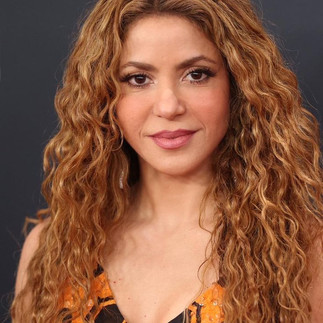


True Autumn celebrities.
Notice how True Autumns have slighly more warmth and depth - bordering True Spring. Whereas, Soft Autumns have features that are slighly lighter and more muted - bordering Soft Summer. Both seasons have a golden glow - True Autumn's is slightly warmer and Soft Autumn's slighly more neutral and muted.
Read more about Autumn celebrities here.
*It's important to note that most of these celebrities have not been truly color analysed and therefore, it's impossible to know their season with 100% certainty. However, their features and the way they look in certain colors are consistent with certain seasons. But as always, take celebrity analyses with a grain of salt.
For Soft Autumns
The Soft Autumn palette is filled with warm, earthy colors that have been gently muted. This creates a palette that feels natural and organic. Key colors include:
Muted Olive: A warm, earthy green that’s been softened with gray.
Warm Taupe: A beige-brown with warm undertones, perfect for neutrals.
Soft Peach: A gentle, warm peach color that’s subtle and understated.
Dusty Terracotta: A muted, earthy red with brownish undertones.
Soft Gold: A warm, muted gold that’s less vibrant and more subtle.
Check out the best and worst colors and color combinations for Soft Autumns in this in-depth color palette guide.
Wardrobe Staples: Choose earthy greens, warm browns, soft golds, and muted oranges. Think cozy sweaters, earthy textures, and natural fabrics.
Makeup: Warm, earthy tones work best for you—think warm browns, peachy blushes, and golden highlights. Avoid anything too cool or icy or bright.
Hair Color: Embrace the warmth with warm browns, or golden highlights. Stay away from overly ashy or cool tones.
Read more about Soft Autumns.


More outfit ideas on Pinterest.
For True Autumns
The True Autumn palette is filled with warm, earthy colours that are rich and natural. These colours are perfect for those who can wear deep, muted tones with a warm undertone. Key colours include:
Burnt Orange: A deep, warm orange with a rich, earthy feel.
Olive Green: A muted, warm green that’s natural and grounding.
Mustard Yellow: A deep, warm yellow with a golden, earthy tone.
Rust: A warm, muted red with a brownish undertone.
Warm Brown: A rich, deep brown with warm, golden undertones.
Warm Plum: A rich, warm purple with an earthy feel.
Warm Burgundy: A deep, warm red with brown undertones.
Check out the best and worst colors and color combinations for Soft Autumns in this in-depth color palette guide.
Wardrobe Staples: Choose rich, earthy colours like burnt orange, olive green, mustard, rust, terracotta and warm brown. Think cosy, textured, earthy fabrics that reflect the warmth and depth of autumn.
Makeup: Opt for warm, earthy and natural tones in your makeup—think deep brown eyeshadows, warm red lipsticks, and rich gold highlighters. Avoid anything too bright, light or cool.
Hair Color: Embrace warm, rich hair colours, such as chestnut brown, deep auburn, or golden brown. Avoid colors like platinum blonde, jet black, or ashy brown.
Read more about True Autumns.


More outfit ideas on Pinterest.
It can be tough to figure out which color belongs to your palette when shopping. That's why I created the Color Scanner App, where you can scan a color, and see which palettes it matches the best.